Video Posts
The teachings below have been filtered to focus on 'Video Posts'.

Break down demonic strongholds
The teaching focuses on identifying and breaking down demonic strongholds, which are thought patterns and lies that the devil builds up in our minds. It explains how the devil uses feelings of inferiority, illness, pride, religiosity, control and fear to isolate us from God and prevent us from living to our full potential. Practical advice is given on how we can actively break down these strongholds through sanctification, humility, God’s Word and concrete actions that demonstrate our decision to believe God’s truth rather than the devil’s lies. We are encouraged to make life choices together with God to put off the old self and renew our minds, so that we may live in freedom and be a threat to the devil’s kingdom.

Why and how should we read the Bible?
The teaching is about why and how we should read the Bible, not just to know the stories, but to let God’s Word transform our minds and characters. It explains how the Bible is the foundation of our identity and rights in Christ, and how God’s Word is living, active and sharper than any double-edged sword, able to penetrate to the very depths of the heart. Practical advice is given on Bible reading through topics such as identity, meditating on individual verses, using resources such as the Blue Letter Bible to understand the original Greek and Hebrew words, and the importance of allowing God’s Word to become a Rhema – a personally revealed word that transforms. Readers are encouraged to read the Bible slowly, reflect on it, take it into prayer, and act on what they read, so that it does not remain theory but becomes practice in everyday life.

Forgive!!! …and pray for your enemies
- Discipleship
- God, Jesus & the Holy Spirit
- Identity and Forgiveness
- Repentance and Baptism
- Spiritual Life & Prayer
- Udfrielser og åndelig krigsførelse
This teaching unfolds Jesus’ call to forgive as a lifestyle that breaks bitterness and brings wholeness. It urges quick, specific forgiveness, praying for enemies, and choosing love over revenge. It shows why self-forgiveness is needed to love your neighbor, and how God’s love fills the heart when the walls come down. Practical steps and heart-language make it simple to walk with the Holy Spirit so freedom is felt in everyday life.


What does the Bible say about the Sabbath?
This lesson is about what the Bible says regarding the Sabbath, and whether we as Christians should observe the Sabbath or not. It explains how the Sabbath was established in the Old Testament as an everlasting covenant between God and the people of Israel, and how it was enforced with strict rules and the death penalty for transgression. Examples are given of how Jesus challenged the Sabbath rules by healing and performing miracles on the Sabbath, and how He said that the Sabbath was made for man, not the other way round. Reference is made to Paul’s letters, which explain that we are no longer under the Law of Moses but under grace, and that if we seek to be justified by the Law, we must keep the whole Law. We are encouraged to understand that Jesus is our rest every day, and that the Sabbath should not be a religious ritual, but a way of life in which we walk with God’s rest and peace in our hearts.
What does the Bible say about the Sabbath?
The teaching traces the Sabbath from creation, through the Law of Moses, to the teaching of Jesus and Paul, and shows how, in the new covenant, the day of rest ultimately points to Jesus as the true rest. It shows how the Sabbath was a covenant sign and part of the very framework of the law, but also how its strict rules and penalties reveal the seriousness of sin and humanity’s inability to keep the law perfectly.
It is explained that when a person tries to be justified by one commandment – such as the Sabbath – they bind themselves to the whole law and step outside of grace, whereas faith in Jesus makes a person righteous without the external requirements of the law. The teaching therefore encourages believers to receive days of rest as a gift and as wisdom, but to find salvation and true rest in Jesus every day, rather than in a particular religious day.

Your rod and your staff, they comfort me. (Psalm 23)
This teaching by Andreas Slot-Henriksen is rooted in Psalm 23 and unfolds how the image of the Lord as shepherd, and the meaning of His rod and staff, can transform our understanding of protection and leadership in the life of faith. It explores the symbolism of the shepherd’s tools, how God and Jesus are described as shepherds in Scripture, and why the rod and the staff become such a deeply personal comfort. The focus is also on the importance of recognizing Jesus’ voice, allowing oneself to be led and protected by Him, and refusing to seek in other people what can only be found in God. The teaching culminates in a strong invitation to rest in His promises and to be transformed from within by the Holy Spirit, continually pointing to Jesus as the good shepherd who sets the table and walks with His people through both the good times and the hard seasons.

Be faithful in small matters!
The teaching addresses one of the most overlooked yet crucial themes in Christian life: faithfulness and responsibility in the daily and seemingly insignificant. Based on the parable of the talents and the story of the poor widow’s offering, it shows that God does not look at the size of what we give – but at the heart behind it and our obedience in small matters. We are encouraged to live authentically and responsibly at home, in the church, and towards non-believers, because this is the prerequisite for God to entrust us with more. God’s call to holiness and reverence is described not as a burden, but as the foundation for a living relationship with Him.

Spiritual warfare
The teaching addresses spiritual warfare and explains how Satan works in concrete terms to isolate, accuse and break down believers. Based on the Brothers Grimm fairy tale of the wolf and the seven little goats, a vivid picture is painted of the enemy’s strategy and the believer’s opportunity to stand firm. It is emphasised that Jesus is our Advocate, and that He intercedes and defends us day and night against the accuser. We are encouraged to recognise God’s voice by living close to Him, obeying Him, and rejecting the devil’s lies by standing firm on God’s Word and love. Not by attacking the enemy, but by submitting to God and living in the identity and authority that Jesus has given.

What are God’s promises? And how do I stand firm on them?
The teaching explores what God’s promises actually are and why they are crucial as a foundation in the Christian life. It demonstrates how to systematically explore the Bible, gather the promises and actively use them in prayer and spiritual warfare. It encourages us to let God’s promises shape our thoughts, expectations and identity, rather than fear, self-condemnation and comparison with others. At the same time, the connection between promises and obedience is highlighted, as many promises are specifically linked to how one chooses to live one’s life with God. The teaching calls for knowing, believing in and applying God’s promises, so that faith is strengthened and one’s prayer life is transformed in everyday life.

Learn to prophesy and interpret tongues (part 1)
The teaching focuses on the spiritual gifts – particularly prophetic speech and speaking in tongues – and on why all believers are called to use them. It dispels the notion that God gives only one specific gift to one specific person, and teaches that we all have access to a wide range of gifts, which we must actively unlock and use. A clear distinction is made between the three forms of speaking in tongues, and believers are encouraged to take their prophetic responsibility seriously by conveying words and images in love and with wisdom. They are encouraged to let go of fear and pride and instead engage in the practical aspects with expectation – for God speaks to all who are willing to listen. ***
From demonic curses to God’s blessings
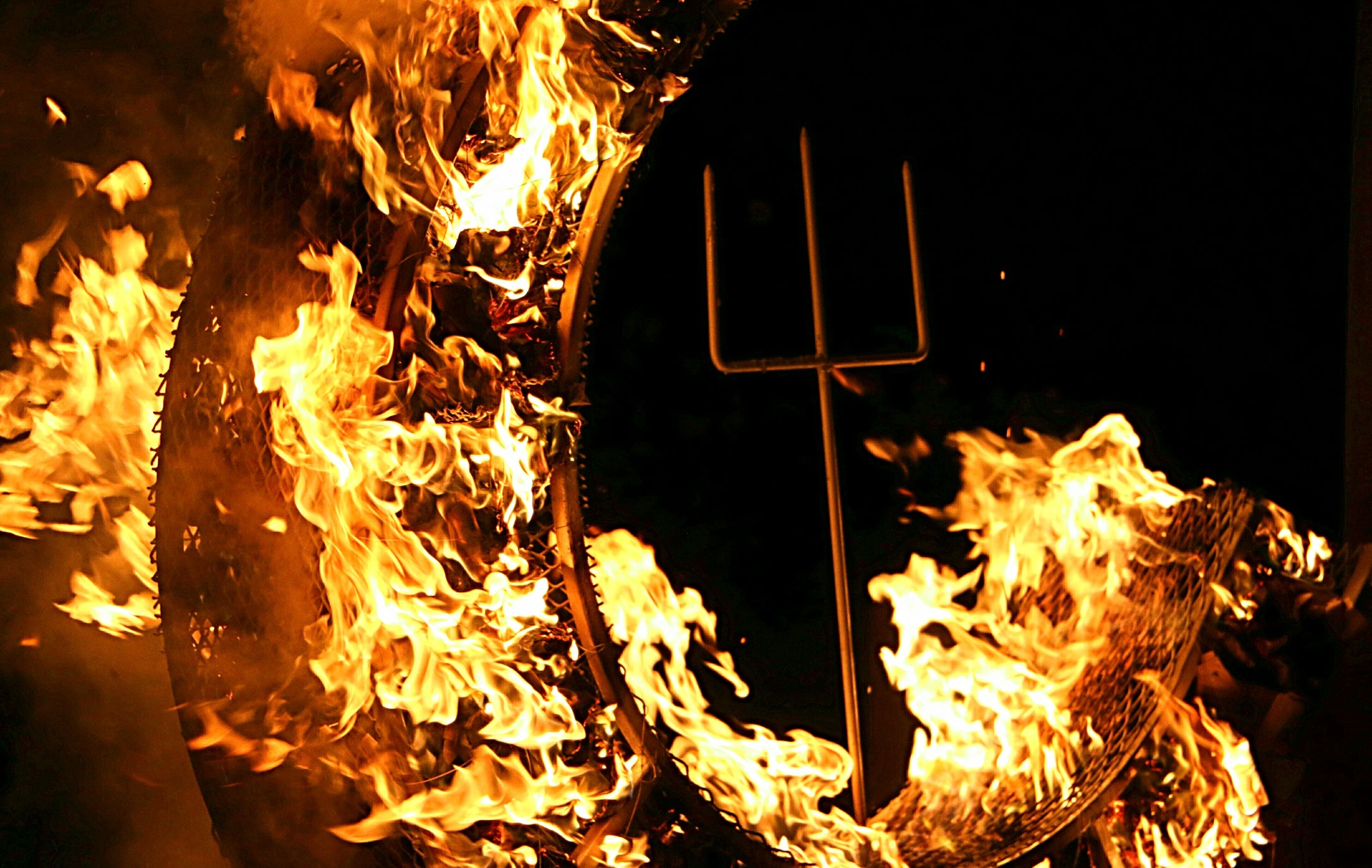
The teaching focuses on how God’s blessings and demonic curses operate in concrete terms in people’s lives and families. It demonstrates how words, actions, occult practices and deep bitterness can open the door to curses that bind people in their emotions, thoughts, bodies and relationships. We are encouraged to let God’s light reveal what is hidden, to confess sin, to forgive others and ourselves, and to consciously say no to darkness. Based on Jesus’ victory on the cross, we see how curses can be broken in Jesus’ name, so that we step out of bondage and into God’s blessing and freedom.