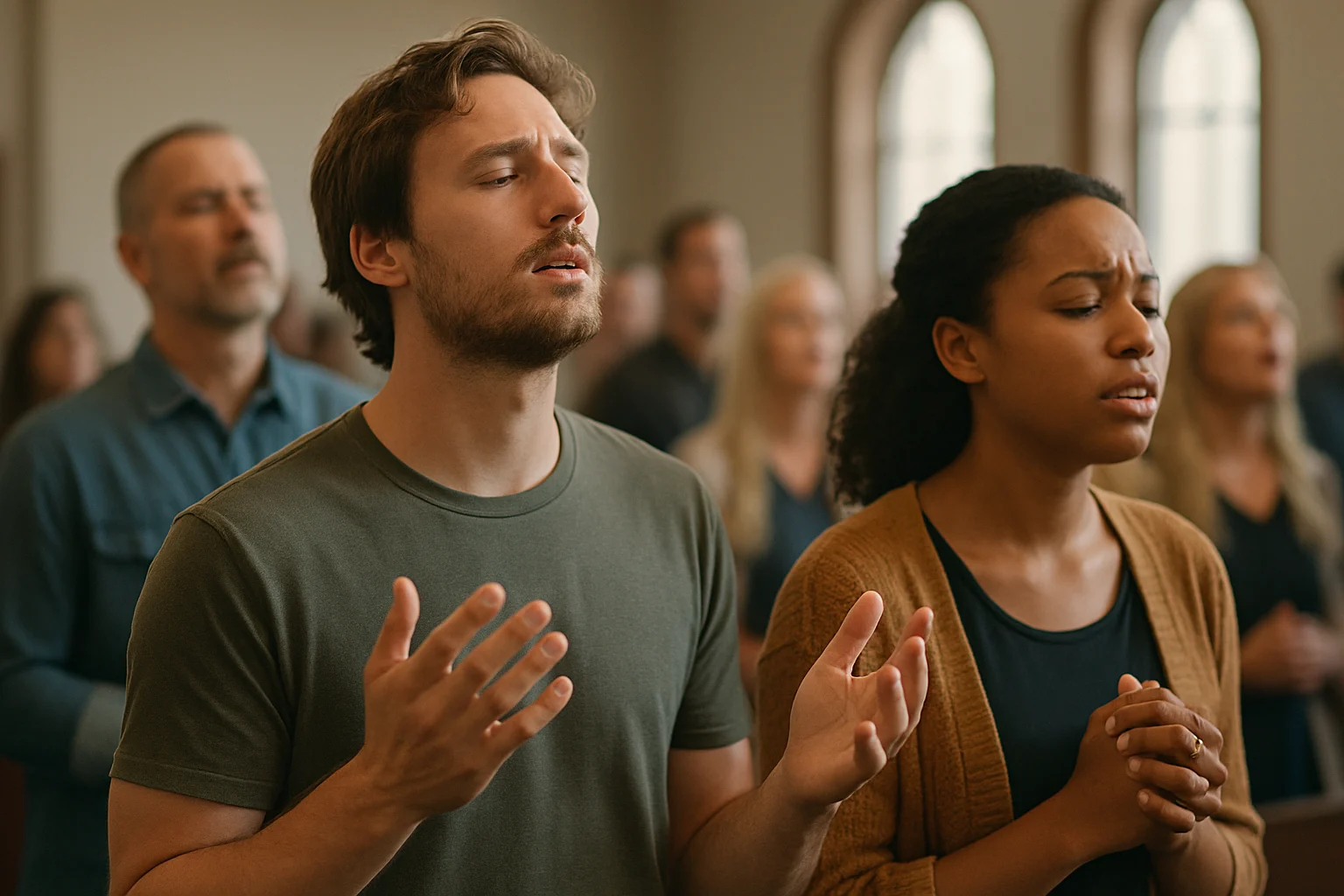



Andreas Slot-Henriksen discusses the topic “A New Heart” by exploring what the heart truly means both physically and spiritually. He highlights how blood itself—pumped by the heart—is life according to Scripture, and that blood cannot be created but must be received. The heart, beating millions of times in a lifetime, illustrates God’s wonderful creation and how precious yet fragile life is. Proverbs and biblical texts are linked with images of how the heart is not just a physical muscle but the deepest center of identity, choice, and motivation. The Book of Proverbs talks about guarding the heart, for life flows from it, and Jesus emphasizes that what fills the heart overflows from the mouth. The teaching reflects the pressures of daily life and situations where what we truly harbor is revealed: bitterness, joy, anger, or love. Everything we listen to, see, and engage in helps fill the heart’s treasury, making it clear that the disciple’s call is to fill oneself with God’s word and truth rather than trivial or harmful things.
Based on Creation, the teaching reminds us that God saw everything as good, but through the fall, the heart is twisted by selfishness and sin. Before the Mosaic Law was given, God’s law was in the heart, but humanity chose its own way. The teaching makes it clear that the fundamental problem is not outward sin but the heart’s attitude and desires. Bible verses from Genesis describe how “every inclination of the thoughts of the human heart was only evil all the time,” and Jesus highlights that it is not what goes into the mouth but what comes out that defiles a person. Again, words and actions reveal the heart’s true state. With quotes from the Psalms and prophecies, the longing for a pure heart and God, who alone can create transformation from within, is exemplified.
Throughout the Old Testament, the theme follows: a crucial choice between God and the world, between truth and self-deception. The teaching warns against swapping standards and falling for the trap of humanism, where charity takes precedence over pointing to Jesus. From God’s perspective, it always points back to Him—and only a transformed heart can truly honor Him in private and public. This includes the warning about the heart’s deceitful nature: only God can truly know and cleanse the heart. When people seek God, they must, like David, pray to be tested and cleansed, making the heart the center of transformation. A new heart, promised by God in the Book of Ezekiel, is not made of stone but of flesh, opening the way for the Holy Spirit to work and call for real transformation and obedience.
In conclusion, it is pointed out that the new heart means a new identity as a reborn believer, where God’s law comes to dwell in us. Confession, honesty, and community become the prerequisites for the new heart to grow and be shaped—not just by outward deeds but in fellowship with God. The challenge is passed on: What are you filling your heart with? Are you living in constant renewal so the heart can carry God’s life to others? Only in a heart that continuously returns to Jesus can faith and love become alive and strong.
Quote from the teaching: “God wants to give you a completely new heart, not repair the old one.“