
A life of worship is about far more than singing hymns. It is about making room for God in every aspect of our lives and letting our choices show that He is the One we wish to follow. Gratitude, praise and worship are interconnected, but they also help us to understand different aspects of our relationship with God. Rebekka Slot-Henriksen explains here how worship becomes a way of life, where the attitude of the heart and obedience matter just as much as the words we sing.
Here are the key points:
– Gratitude helps us to recognise God’s goodness.
– Praise directs our attention towards God’s greatness.
– Worship is about honouring God and bowing before His holiness.
– God desires a sincere heart that seeks Him, and not merely His gifts.
– Our worship is expressed through both our bodies and our everyday choices.
– Obedience and worship are closely linked.
– What we fill ourselves with affects our longing for God.
– A life of worship should make Jesus visible.
God alone is to be worshipped. He is our Creator, King and Saviour, and He is holy. Therefore, worship is not primarily about what we ourselves gain from it. We do not come merely to have a good experience or to receive something we lack. We come to honour God for who He is. This does not mean that we should hide our needs, but that our relationship with Him must extend beyond the gifts and answers we hope to receive.
God seeks people who worship in spirit and in truth. We have received the Holy Spirit, and we must allow Him to guide us as we pray and seek God. This can be expressed, amongst other things, through speaking in tongues. At the same time, our worship must be rooted in the truth about God as revealed in the Bible. We do not worship a god we have invented ourselves. We seek the God who has revealed to us who He is. A sincere heart desires to know Him and follow Him, even when it costs us something.
Gratitude is a good place to start. When we give thanks to God, we focus our attention on His goodness and on what He has already done. We can easily become preoccupied with what is lacking, or with things that have not gone as we had hoped. Giving thanks helps us to see what we have been given. It belongs not only in a church service, but in our words, actions and the way we face everyday life. Our whole life can be sustained by gratitude to God.
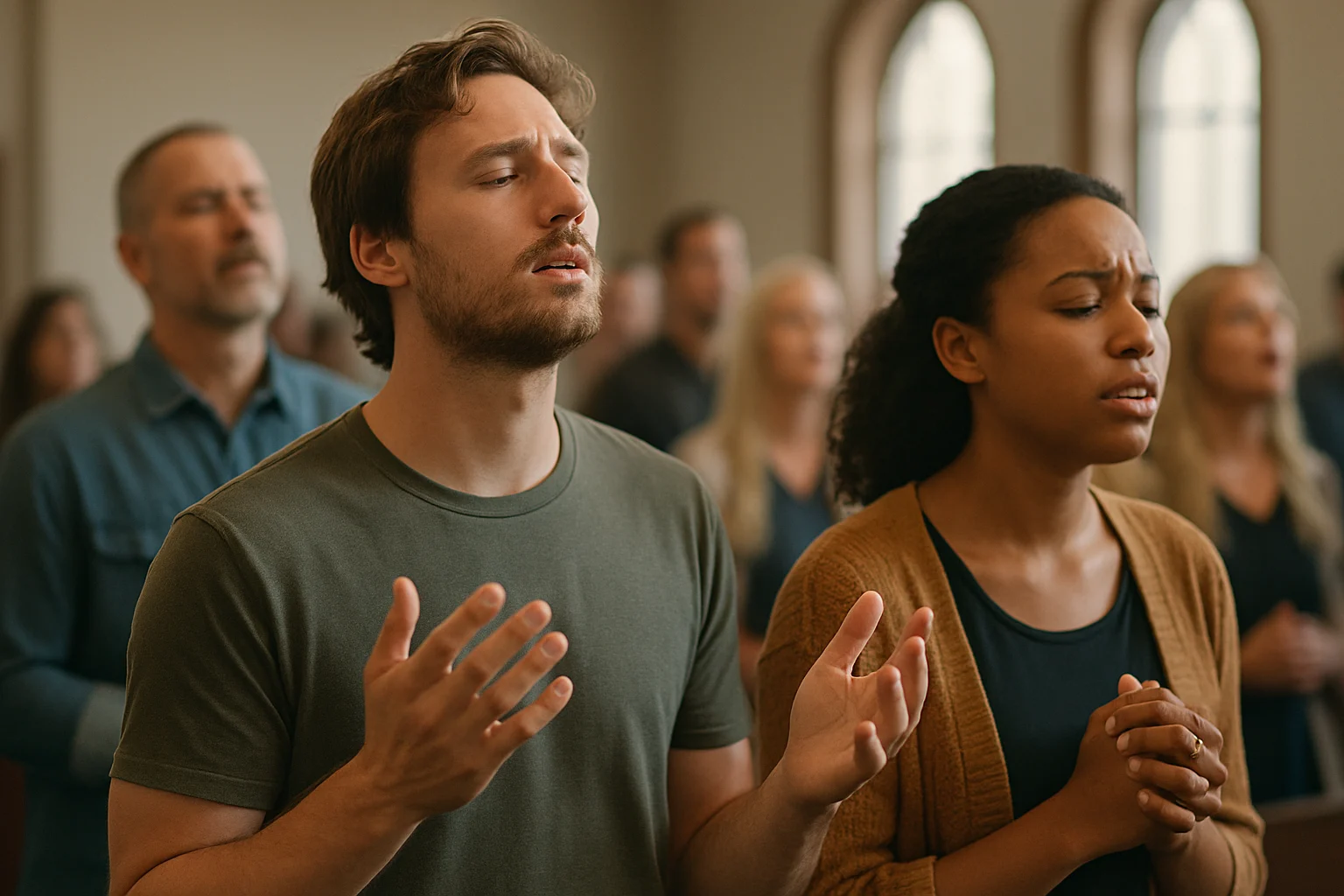
Praise helps us to recognise God’s greatness. Here we lift our gaze from ourselves and give Him glory. A helpful image is to imagine a throne whilst we sing His praises. God is King, and our praise expresses our recognition of His place. But are we free to show this? Many of us know the feeling of wanting to raise our hands whilst wondering what others might think. If we take pride in praising God, why do we let the fear of what people might think hold us back?
Praise is also a weapon. God can work through something that, in human eyes, seems small and weak. Children and infants are used as a symbol that strength does not depend on our size or abilities. We do not need to have everything under control before we can praise God. In the story of the singers of praise marching ahead of the army, it becomes clear that victory does not come from human strength alone. The song of praise directs our trust towards God, who can act in ways we ourselves could never achieve.
Worship can be expressed through the body. We can bend our knees, bow our heads, raise our hands or dance. These are ways of showing honour, thanks and surrender. Therefore, worship is not limited to a piano, a microphone or specific songs. Yet these visible actions do not constitute the whole of worship either. We can do something with our bodies without our hearts being in it. Worship must also be an attitude within us, where we desire to give God the place and honour that are His due.
Encountering God’s holiness must make a difference in our lives. We cannot desire to serve Him whilst consciously clinging to what He is calling us away from. That is why worship also becomes very practical. What do we look at? What do we listen to? What conversations do we take part in? Do we fill ourselves with frustration, or do we make room for the Holy Spirit to shape the way we live? It is not just about what others can see, but also about what we allow to grow in our hearts.
Are you hungry when you come to God, or have you already been filled to the brim with all sorts of other things? That question can help us examine what fills our time and our thoughts. If our longing for God has grown faint, we can ask Him whether something else has taken up too much space. Not everything that fills our lives is necessarily wrong in itself. But we must be honest about what effect it has on our attention and our willingness to seek Him.
A life of worship is as much about what we choose to do as it is about what we choose not to do. If God calls us to take a step and we stand still, that is also a choice. Obedience is therefore not something separate from worship. It is part of it. It is easy to sing about surrender, but what happens when that surrender becomes a reality? Are we willing to act on what God says, or would we rather keep control ourselves?
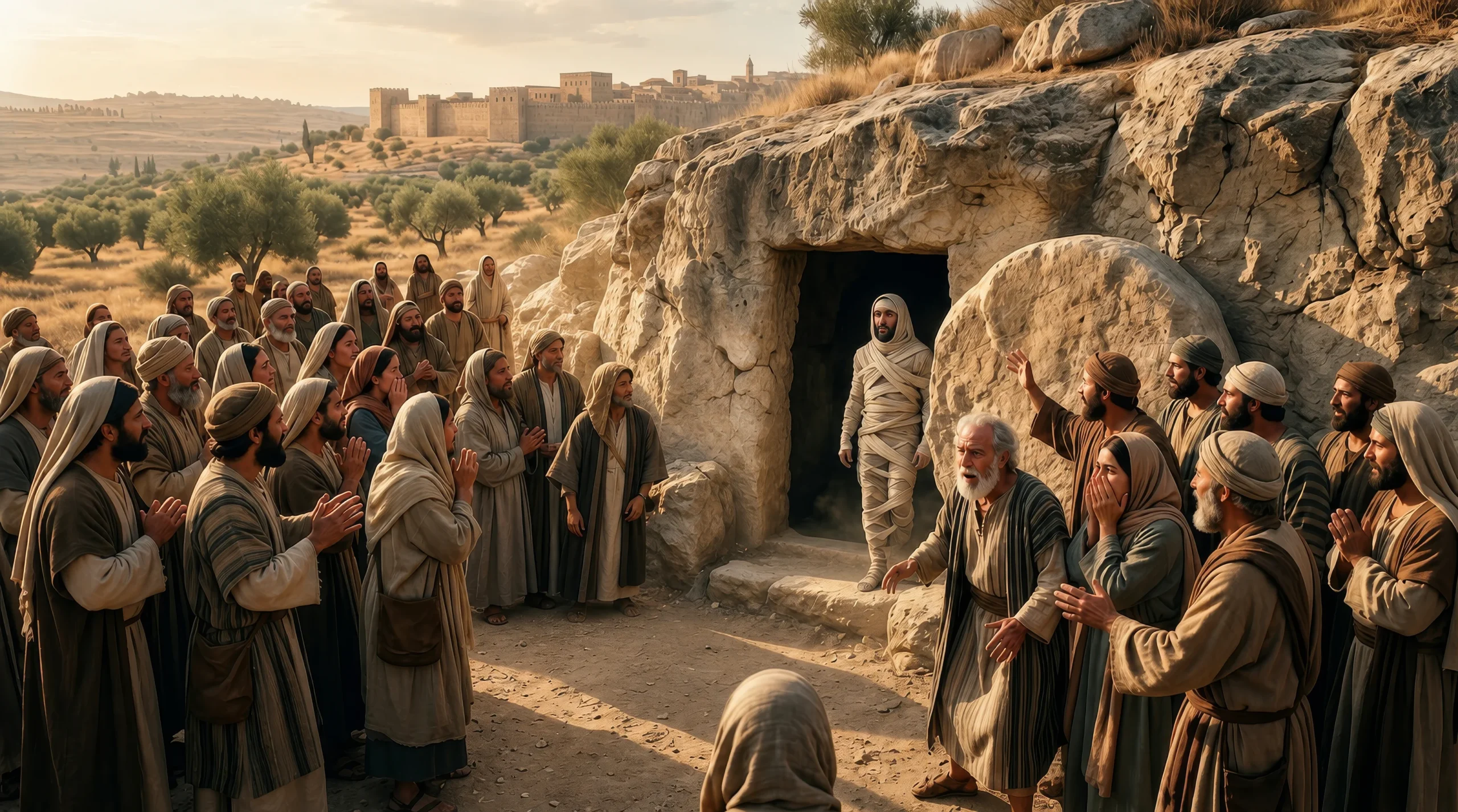
The story of a father who is put to the test with his beloved son shows how closely faith, obedience and worship are intertwined. The son is born after many years of waiting and is linked to God’s promises. Yet the father is willing to place what is most precious to him in God’s hands. God stops him so that the son is not killed, and provides a sacrificial animal instead. The story demonstrates a trust that God can keep his word, even when people cannot see how it will come to pass.
Here, too, we can see images that point towards Jesus: the son carries the burnt offering, God provides the sacrifice, and the son is returned to his father. This trust extends to the very belief that God has the power to raise the dead. In the same way, our worship must point to Jesus and not merely to ourselves. Is there something God has called you to do that you have not yet acted upon? What will you do about it? And how can your worship make Jesus visible in your life?
Quote from the teaching: Encountering God’s holiness must lead to a changed attitude in our lives.
Relevant keywords: worship – a life of worship – praise – hymns of praise – gratitude – thanksgiving – God’s holiness – obedience to God – surrender to God – faith in everyday life – the guidance of the Holy Spirit – spirit and truth – longing for God – Christian life – Jesus – discipleship – worship as a weapon