
– Who shapes your identity: past wounds, people’s words, or God’s truth?- Baptism means the old life – including the old identity – is buried, and that’s where it should stay.- The mind needs renewal so that past lies don’t control the present.- God is a good Father who loves, nurtures, and calls – not a harsh judge who pushes away.- Let go of the need for human approval; find rest in being God’s child.- The Holy Spirit dwells in you; you are a temple equipped with gifts for service.- Lay down the excuses like Moses laid down his sandals; say yes to God’s call.- The truth from God’s word exposes lies and sets you free in practice.
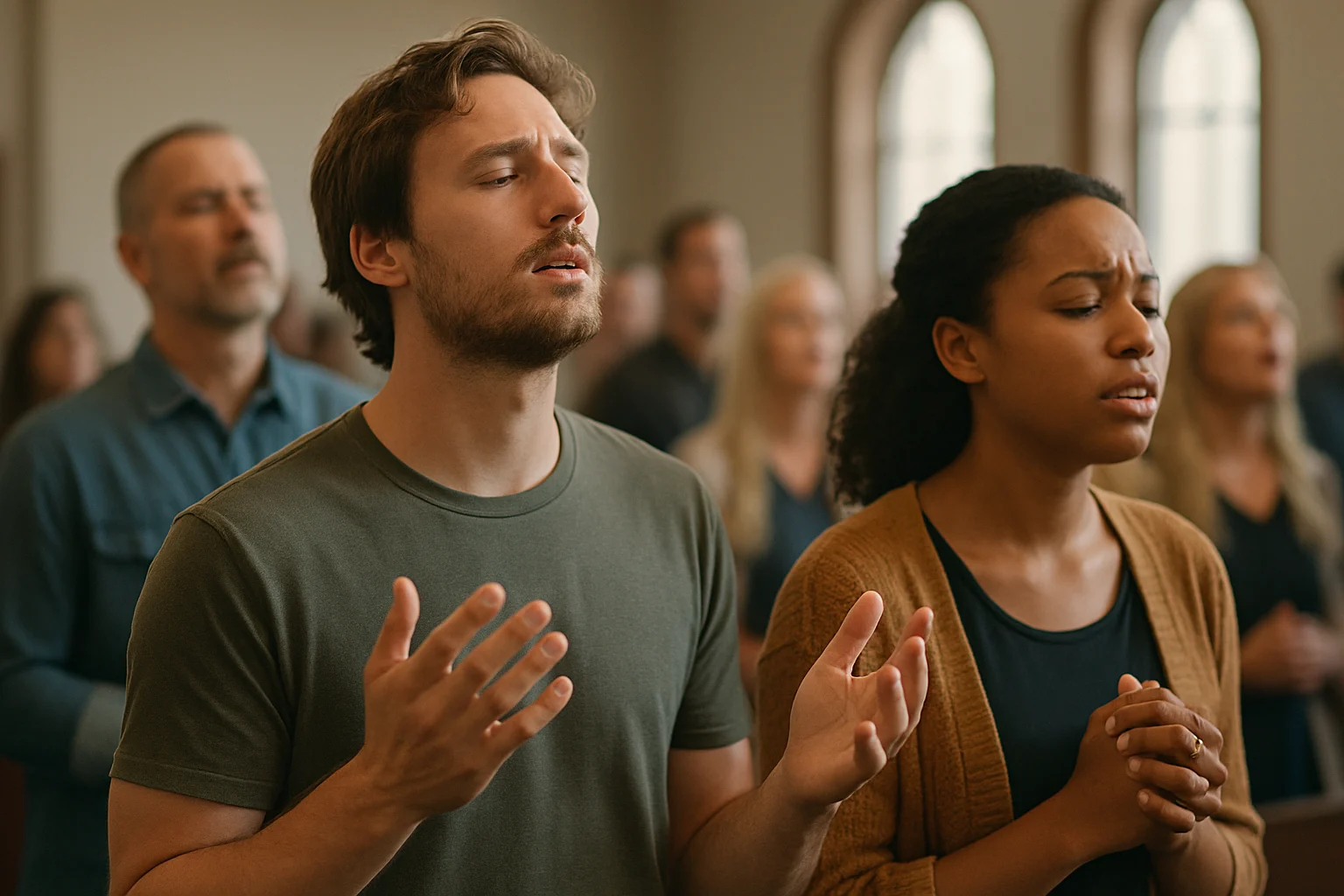
The teaching opens with a poignant story about Michael, a man with a nice facade but an inner self worn down by small, toxic words from childhood and youth. Bullying, shame, and feeling like a mistake drove him to overachieve at work, but inside he was empty. Here, the teaching points out how many of us carry hidden wounds that dictate how we see ourselves and others. Often, we build walls to survive, and recognition feels like oxygen while loving words bounce off. Amidst this, faith in Jesus creates a crack in the wall: What if everything that has defined you isn’t true? “Andreas Slot-Henriksen” teaches here that the gospel doesn’t just patch up our story – it gives us a new identity in Jesus.
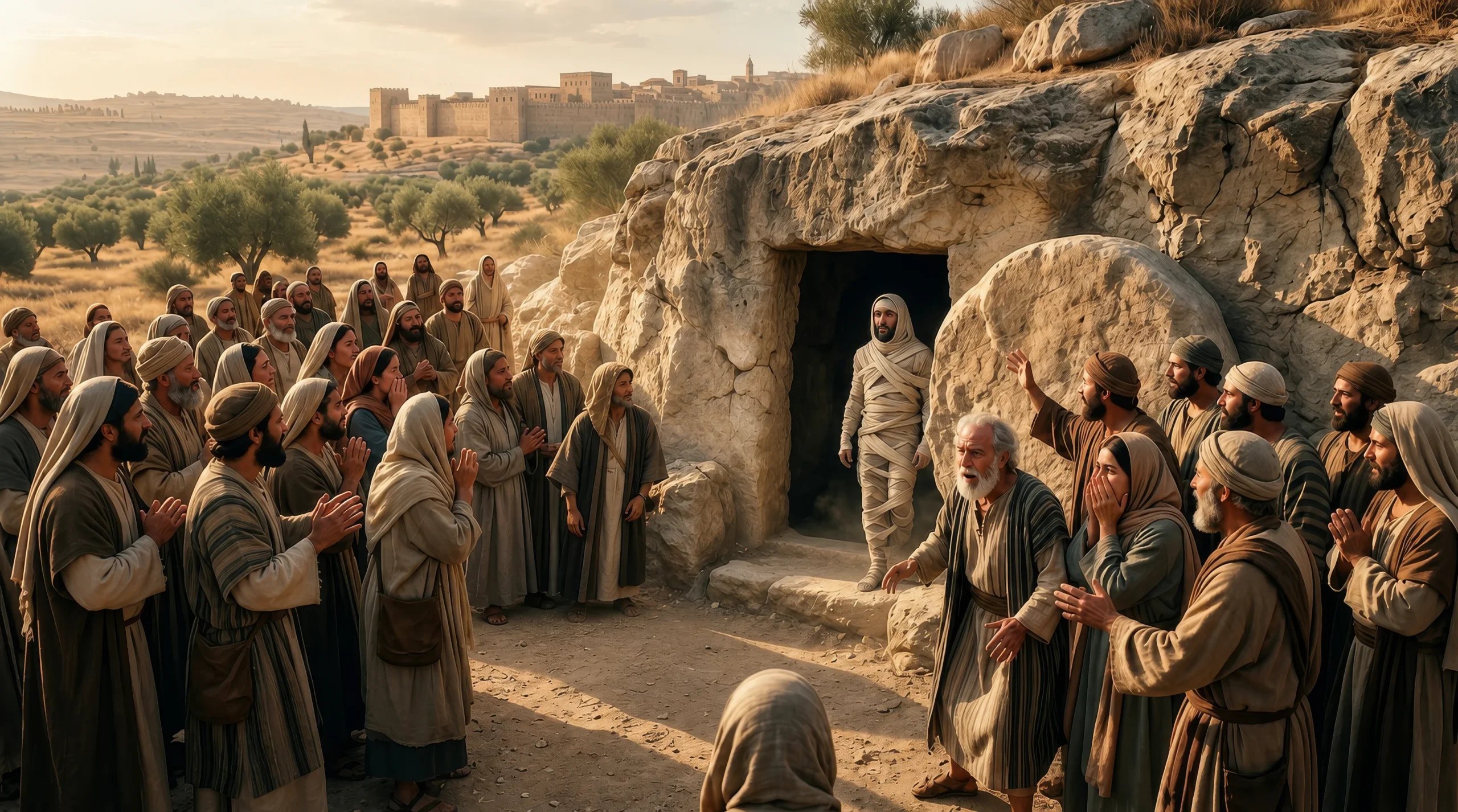
It cuts to the bone when talking about the reality of baptism: In baptism, the entire old life is buried – including harsh words, shame, and wrong labels. Therefore, the old shouldn’t come out of the grave again. Yet, the enemy tries to drag out the old junk: “Remember who you were? You’re still a mistake.” The answer is to renew the mind, make conscious choices, and replace lies with truth. A powerful scripture here is: “If anyone is in Christ, he is a new creation. The old has passed away, behold, the new has come!” It’s not about convincing yourself of something, but believing what God already says about us.
The teaching also unveils how a distorted experience of an earthly father can color our image of God. If “father” for you means absence, harsh criticism, or unpredictability, it makes sense that the word “God’s child” doesn’t feel safe. Therefore, we must learn to know God as He truly is – a good Father under the new covenant, who receives, guides, and equips. He doesn’t scold to break us; He lifts us up, gives us “a fishing rod,” and teaches us to fish. The point is underscored with a down-to-earth story about not having someone to disciple you: without guidance, fishing became defeat and identity. Similarly, lack of spiritual guidance can make us discouraged. The solution is to let ourselves be discipled – get a companion – and start walking in what God has already placed in us.
Moses’ encounter with God at the burning bush becomes a powerful image: God says he should take off his sandals because he stands on holy ground. When Moses takes off his sandals, he also symbolically lays down the old – the flight, the guilt, and the shame – and prepares to be led. It becomes concrete for us today: Will I take off my “sandals” and let God wash my dust – even though He sees my holey socks? Will I drop the excuses and trust that He is right about who I am? For God knows our weaknesses and often gives us a companion – like Aaron for Moses – but He still calls us by name and says: Go!
A central theme is the battle between three voices: the world, the enemy, and Jesus. The world says: “You are worthless.” The enemy amplifies: “You mean nothing – not even to God.” Jesus says: “You are my child. I love you. I gave my life for you.” Who do I choose to believe? When loneliness, shame, and memories of failure arise, Jesus’ promise sounds: “And behold, I am with you always, to the end of the age.” It’s not psychology; it’s covenant words from the Lord Himself. And when we fall, the way back is not self-condemnation, but repentance and confession, for God is faithful and cleanses us completely.
It is pointed out that many never fully step into service because they remain stuck in the identity “I am just a sinner.” Yes, we were sinners – that’s why Jesus died – but in Him, we are born again and called into holiness. Holiness is not boasting; it’s living in what Jesus won for us. When the Holy Spirit dwells in us, we are God’s temple. It’s deep: The same power that raised Jesus from the dead lives in you. Therefore, it makes no sense to call oneself worthless while saying the Holy Spirit dwells in one. Identity and calling are connected: Through the Holy Spirit, we have gifts that should “flame up” – not for our ego, but so that people can meet Jesus through a life of love, power, and sound judgment.
Practical teaching is given on shifting focus from human recognition to God’s pleasure. Too many chase the praise they never got from dad or mom. But our heavenly Father recognizes us for who we are in His Son – before we do anything. Deeds spring from love, not empty holes in the soul. When we receive that, the courage to be witnesses grows. Even when someone mocks. Because then it’s not about me, but about the gospel that works. Therefore: Let the facade fall, lay the old in the grave, get help to renew the mind, and start acting on God’s truth in everyday life. Take off the shoes so God can wash the dust, and say yes to His guidance.
Finally, there is a call for quiet time with God: What in my identity stands in the way of what He says I am? Where am I still chasing human acceptance? What lies have I believed? Turn the lie 180 degrees – and you often see God’s truth. And the truth is not just theoretical; it carries life, peace, and boldness. When you receive it, it will overflow: You can’t help but talk about Jesus because He has become your identity, your joy, and your strength.
Quote from the teaching: And do you know what sets free? The truth.
Relevant keywords: identity in Christ – baptism and new beginning – renewal of the mind – God’s fatherly love – the Holy Spirit in us – gifts in action – discipleship in everyday life – breaking with shame – freedom in Jesus – calling and service – the truth sets free – spiritual growth – breaking with fear of man – God’s plan for your life – life in holiness