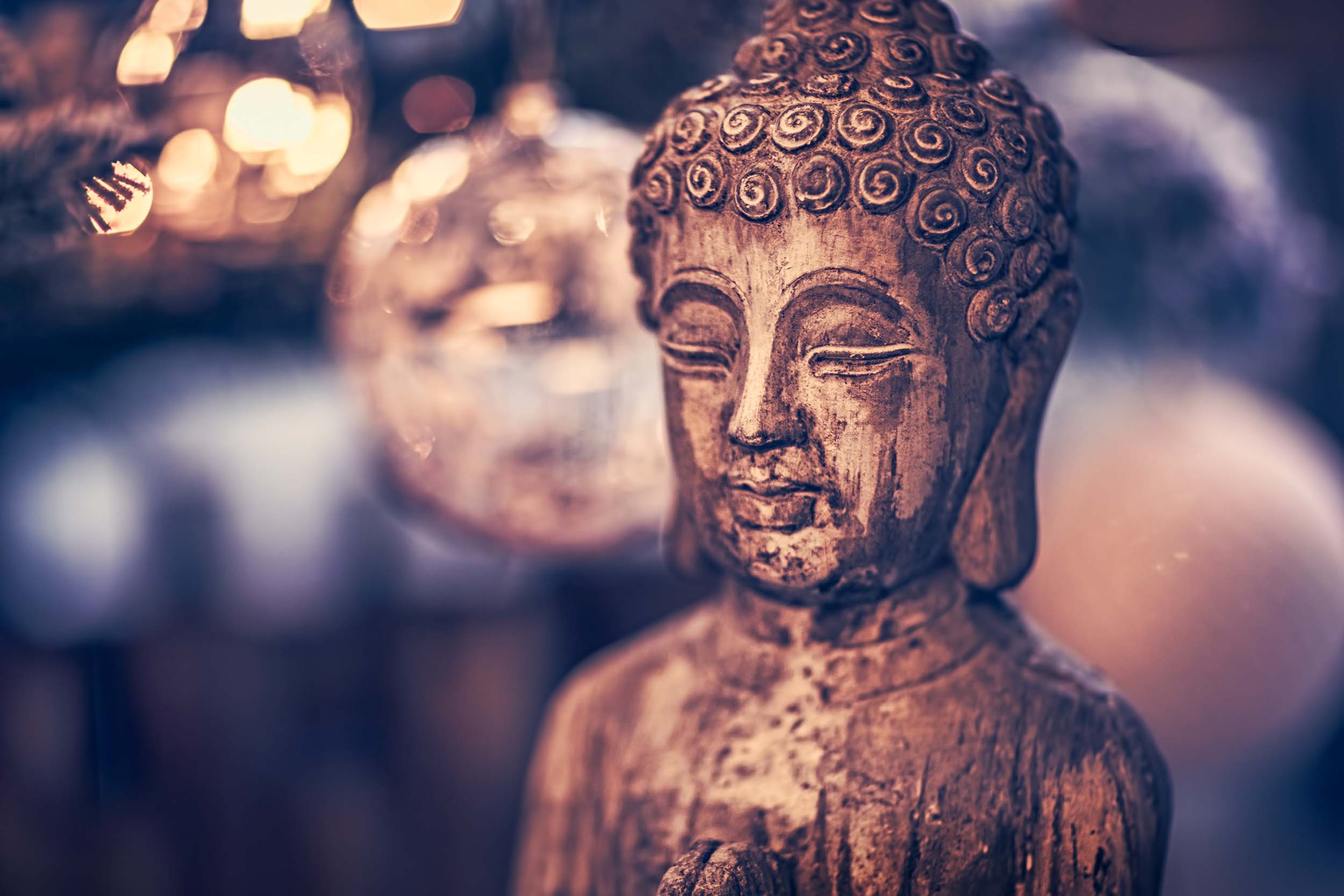



Andreas Slot-Henriksen talks about idols in your life and how these are not just physical figures but anything that can take a place in the heart or daily life higher than God. It begins by emphasizing that God clearly warns against having other gods besides Him, which was established at Sinai when God gave the commandment: “You shall have no other gods before me.” This commandment applies to both the golden calf of old and today’s more invisible forms of idols. With humor and relatable examples, it tells of the Israelites who, after dramatic miracles, quickly end up forming a golden calf while Moses is away for just 40 days. It points out that humans have an insatiable urge to worship, which God alone has placed in us. The problem arises when this longing to worship is shifted from God to anything else—even things that can be good in themselves: family, work, money, health, entertainment, habits, and even pious actions. It’s not the idol itself that is dangerous, but that it takes over an area of life or identity.
To unfold this, a wealth of examples is included: Fitness can start healthy but become an obsession where one’s identity and value rest in performance. Health, food, shopping, family traditions, control over finances, or chronic lack of money—all these can steal attention from God if they come to dictate choices or create fear, competition, or pride. Even time with the Bible, prayer, fasting, or service in God’s name becomes idols if the motivation is guilt, performance, or fear—not love. It is pointed out how performance, habits, or fear can be coded as ‘condemned family patterns’ in identity, so one believes certain problems “have always been there” in the family and accepts it as a natural part that is therefore not challenged. Also, technology, social media, and gaming are mentioned as today’s possible idols—not because they are necessarily wrong, but because they risk taking first place in life, time, and thought. Advice is given on how to spot idols: What do you spend time and money on? How do you react if someone challenges you in an area? What things—even good and necessary ones—do you refuse God access to?
The teaching shows with examples from both the Bible and today how God repeatedly calls people away from idols back to Himself. The Israelites are a recurring mirror, where there is a tendency to mix faith in God with idol worship, even shortly after great miracles and powerful experiences of God’s intervention. It is explained that the motivation to clean up should stem from love for Jesus—not fear of punishment or to meet norms from others. The heart must be laid bare honestly and humbly, and what is hidden or defended must be brought to light—for as long as the idol is hidden, its power only grows. Rachel, who hides household gods and sits on them and lies to her father, is used as an example: When the idol is hidden, the price is identity, freedom, and closeness. Idols take root in the hidden, and both family patterns and societal ideals can lead to even God’s gift—such as work or wealth—becoming a stumbling block if the surrender is not complete.
It is explained that balance is important; God does not want anything to take the place that belongs to Him. Even necessary and good things must be kept open to Him so that they do not become idols. Examples are given from Jesus, who repeatedly sets life’s focus on love, humility, and surrender—“Love the Lord your God with all your heart… and your neighbor as yourself.” It shows how easy it is to forget Jesus amid activities and engagements and how one can lose oneself and one’s first love in even the best Christian activities. Teaching, self-study, and understanding of demons and spiritual warfare are also mentioned as fields that easily steal time and become a “diversion” from the Holy Spirit’s balance.
It concludes with a call to honest reflection: To ask what time, money, and energy are spent on, and if irritation, anger, or denial arises when something is challenged, it may be a sign of idols. Importantly, when God reveals something, it is to lead into freedom and joy, never to condemn. It is recommended to bring God in and ask Him to show where idols may be hiding and to choose to remove them to get closer to Jesus—not to satisfy others’ opinions. God’s motivation is always love and closeness, not demands or shame. Think of the Israelites who stood by the Red Sea, experienced God’s miracle, but quickly forgot Him; learn from it, and use the experiences to go deeper in the knowledge of God and especially to guard the first place in the heart.
Quote from the teaching:
“Idols in our lives can only be removed if we honestly invite Jesus in—and let love set us free.“